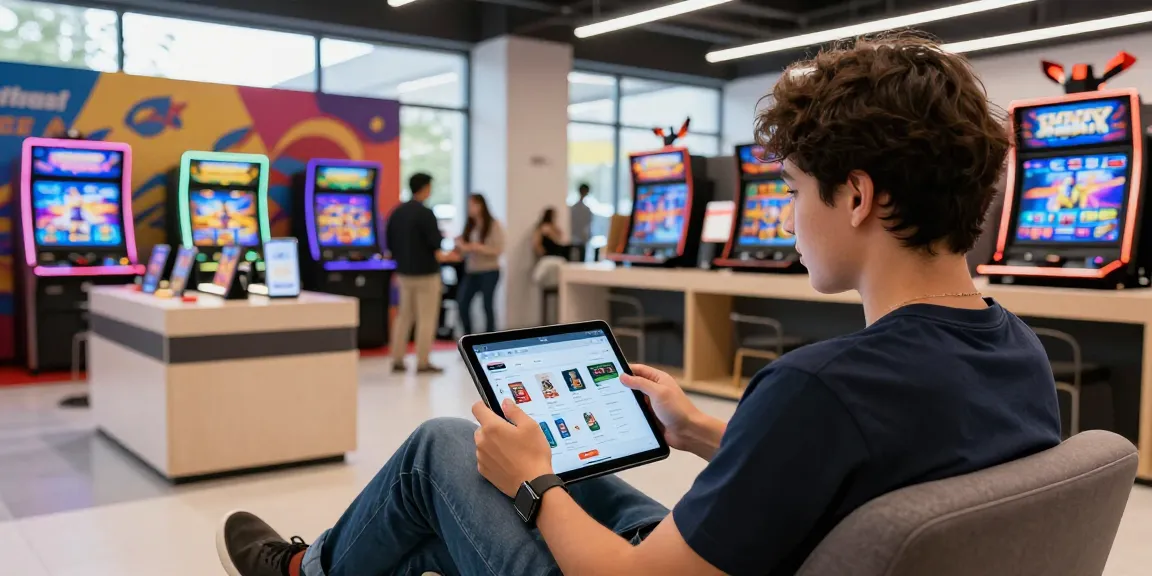
The Evolution of Slot Gaming in E-commerce
As the digital landscape continues to evolve, so does the world of slot gaming. Initially rooted in traditional gambling practices, slot machines have undergone a significant transformation, moving from physical casinos to online platforms. This transition has not only expanded the reach of slot gaming but also amplified its appeal among a diverse audience. Understanding this evolution is crucial for industry participants, as it reflects broader trends in consumer behavior and technological innovations.
With more businesses entering the digital marketplace, exploring options such as slot gaming can yield insights into current consumer preferences and market dynamics. This article delves into the journey of slot gaming, examining its history, the rise of online platforms, and the changing behaviors of consumers in this space.
History of Slot Machines and Their Digital Transition
The history of slot machines dates back to the late 19th century when Charles Fey invented the first mechanical slot called the Liberty Bell. This iconic machine featured three spinning reels and a single payline, captivating players with its simplicity and potential rewards. Fast forward to the 1970s, where the introduction of video slots marked a paradigm shift in the industry, incorporating sophisticated graphics and sound effects.
With the advent of the internet and the subsequent boom in online gaming during the late 1990s, the transition from traditional to digital slots began in earnest. Online casinos emerged, offering players the convenience of gambling from their homes. This shift brought about a host of innovations, including progressive jackpots, themed games, and interactive features, enhancing player engagement and satisfaction.
The Rise of Online Slot Gaming Platforms
Today, online slot gaming platforms dominate the industry, with many players preferring the convenience and variety they offer. These platforms operate 24/7, allowing users to access a wealth of games on-demand. Moreover, the integration of mobile technology has further fueled the growth of online slots, enabling players to enjoy their favorite games on smartphones and tablets.
Statistics reveal that the global online gambling market is projected to reach over $127 billion by 2027, with a significant portion attributed to online slots. This surge is driven by the increasing popularity of mobile gaming and the continuous introduction of new games designed to engage users.
Understanding the Slot Market: Consumer Insights
To effectively engage with the slot gaming community, businesses must understand the demographics and preferences of slot enthusiasts. This understanding not only assists in tailoring marketing strategies but also enhances product offerings to meet consumer expectations. Analyzing consumer behavior can provide valuable insights into what drives slot purchases and gaming preferences.
Demographics of Slot Gaming Enthusiasts
Slot gaming appeals to a wide range of demographics, but specific trends can be observed. Research indicates that millennials are increasingly engaging with online slots, often favoring mobile gaming over traditional options. Additionally, older generations remain loyal to slot gaming, particularly in land-based casinos. Understanding these demographic trends aids operators in developing targeted marketing strategies.
Factors Influencing Slot Game Purchases
Several factors influence consumers' decisions to purchase or play slot games. Game themes, payouts, and bonus features play significant roles in attracting players. The gamification of slots—integrating rewards such as free spins and loyalty points—has also enhanced user engagement. Moreover, social elements, such as leaderboards and tournaments, foster a sense of community among players, further driving interest in slot gaming.
Common Misconceptions About Slot Gaming
Despite its popularity, slot gaming is often surrounded by misconceptions. One common myth is that certain machines are "due" for a payout after a losing streak. In reality, slot machines operate on random number generators (RNG), ensuring outcomes are entirely random. Educating consumers about these misconceptions can help industry players develop trust and foster a more informed player base.
Strategies for Effective Slot Game Marketing
In the competitive landscape of slot gaming, companies must leverage effective marketing strategies to capture the attention of potential players. Innovative marketing not only drives player engagement but also solidifies brand loyalty.
Leveraging Social Media for Slot Promotions
Social media platforms provide a powerful avenue for promoting slot games. With millions of users engaging daily, targeting specific demographics through ads and organic content can yield high returns. Engaging with users through polls, contests, and interactive posts can also foster a sense of community and brand affinity.
Creating Engaging Content for Slot Enthusiasts
Content marketing plays a vital role in attracting and retaining players. Developing engaging blog posts, videos, and tutorials about slot games can generate interest and educate potential players about different game mechanics and strategies. Furthermore, user-generated content, such as reviews or gameplay videos, can enhance authenticity and credibility.
Best Practices for Online Advertising in Slot Gaming
Effective online advertising requires strategic planning and execution. Utilizing targeted pay-per-click (PPC) campaigns, search engine optimization (SEO) techniques, and engaging display ads can maximize visibility. Additionally, collaborating with influencers within the gaming community can amplify reach and build trust among potential players.
Real-life Examples of Successful Slot Brands
Examining successful slot brands can provide invaluable lessons for newcomers and established companies alike. By studying their strategies and community engagement practices, other operators can glean insights into effective brand positioning.
Case Study: A Leading Slot Game Company
One notable example is a leading online slot game developer that has cultivated a strong brand presence through innovative game design and marketing. By continuously releasing new games and collaborating with popular franchises, the company has maintained player interest and loyalty, demonstrating the importance of adaptability in a fast-evolving market.
What We Can Learn From Innovative Slot Marketing
Innovative slot marketing strategies often involve leveraging data analytics to understand player preferences and behaviors. By analyzing player data, companies can tailor their offerings to suit audience expectations, ensuring a more personalized gaming experience that resonates with users.
Customer Testimonials and Community Engagement
Encouraging player reviews and testimonials can significantly enhance a brand's reputation. Engaging with the community through social media and forums allows companies to address concerns, gather feedback, and foster a loyal player base. Promoting user-generated content can also serve as an authentic endorsement of the brand.
The Future of Slot Gaming: Trends to Watch in 2026
As the slot gaming industry continues to evolve, several trends are expected to shape the future landscape. Companies that stay ahead of these trends will better position themselves to meet consumer demands and thrive in a competitive market.
Technological Innovations Shaping Slot Experiences
The integration of advanced technologies such as virtual reality (VR) and augmented reality (AR) is set to revolutionize the slot gaming experience. By creating immersive environments that engage players on a deeper level, these technologies can redefine how users interact with slot games.
Predictions for Market Growth and Consumer Demand
Market analysts predict continued growth in the online slot gaming sector, driven by increasing smartphone penetration and the rising popularity of online gambling. As more consumers turn to digital platforms, engaging and high-quality content will be crucial in maintaining player interest.
Regulatory Considerations for Slot Gaming Businesses
As the industry grows, regulatory considerations will become increasingly important. Companies must navigate complex legal landscapes and ensure compliance with evolving regulations to retain player trust and avoid penalties. Staying informed about regulatory changes will be a key factor in sustaining business operations in the long run.
What are Slot Machines?
Slot machines are gaming devices that operate on a simple principle: players insert money, spin the reels, and hope to align symbols for a payout. The randomness of the outcomes is ensured through advanced algorithms, creating a fair gaming experience.
How Do Slot Games Work?
Slot games work by utilizing random number generators (RNG) to determine the outcome of each spin. The RNG ensures that every outcome is random and independent of previous spins, making it impossible to predict results.
Are Online Slot Games Fair and Secure?
Yes, reputable online slot games are both fair and secure. Licensed online casinos utilize RNG technology and undergo regular audits to ensure fairness. Additionally, secure payment methods and data encryption help protect players' financial information.
What is the Future of Slot Gaming?
The future of slot gaming looks promising with ongoing technological advancements, the introduction of innovative game concepts, and the continued integration of social elements. These trends will likely enhance player engagement and drive industry growth.
How to Choose the Best Slot Game for You?
When selecting a slot game, consider factors such as themes, payout percentages, and bonus features. It's also beneficial to read reviews and try out free versions to find a game that suits your preferences and playing style.